Pecola’s baby’s premature death
The Bluest EyePecola’s baby’s premature death is the devastating outcome of Pecola’s pregnancy and a turning point in the community’s treatment of her. The child is born too soon and dies; afterward, the loss becomes inseparable from the gossip surrounding Pecola and from her growing abandonment by the people around her.
The Loss and Its Aftermath
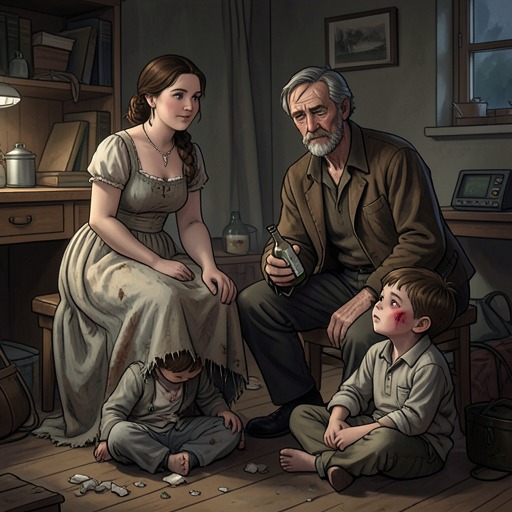
The narrative recalls seeing Pecola after the baby had come too soon and died. The account places the death within a larger sequence of harm rather than presenting it as an isolated tragedy: the loss is followed by gossip and the slow wagging of heads, making private grief a public object of judgment.
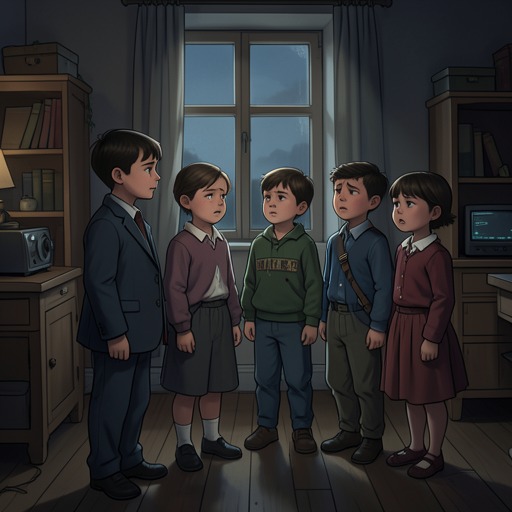
The surviving children encounter Pecola with awe and respect before this aftermath. In bed, they lie still beside her, feeling that being near someone who had really been menstruating was somehow sacred. Their response contrasts with the later reactions of the wider community, which does not sustain that sense of reverence or offer meaningful protection.
Community Response and Isolation
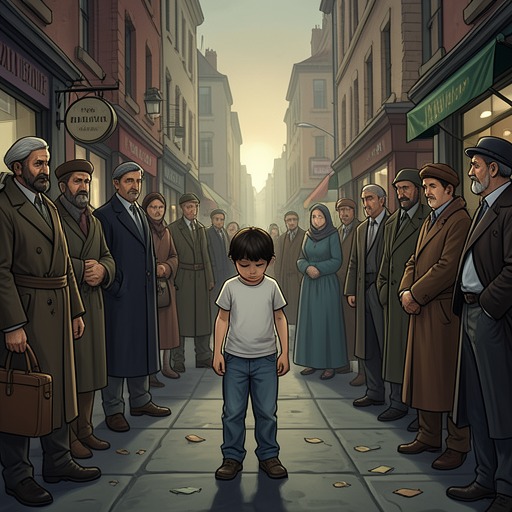
After the baby’s death, grown people look away. Children who are not frightened by Pecola laugh outright. These reactions divide the community between avoidance and mockery, leaving Pecola exposed to public stigma rather than care. The narrative describes the damage as total and shows her spending her days walking up and down, alone in the aftermath of the loss.
The baby’s death thus intensifies Pecola’s social isolation. It does not end the community’s attention to her; instead, attention persists as gossip and spectacle, while actual recognition and support recede. Her grief and vulnerability are made visible, but those around her largely refuse to meet them with compassion.
Narrative Significance
The death confirms the bodily consequences of the violence done to Pecola and marks the failure of the surrounding adults and community to protect her. Its aftermath is narrated through the remembered sight of Pecola and the responses of the people around her, with the children’s earlier reverence set against later laughter and adult evasion. The contrast makes the loss a measure not only of what Pecola suffers, but also of the social abandonment that follows.